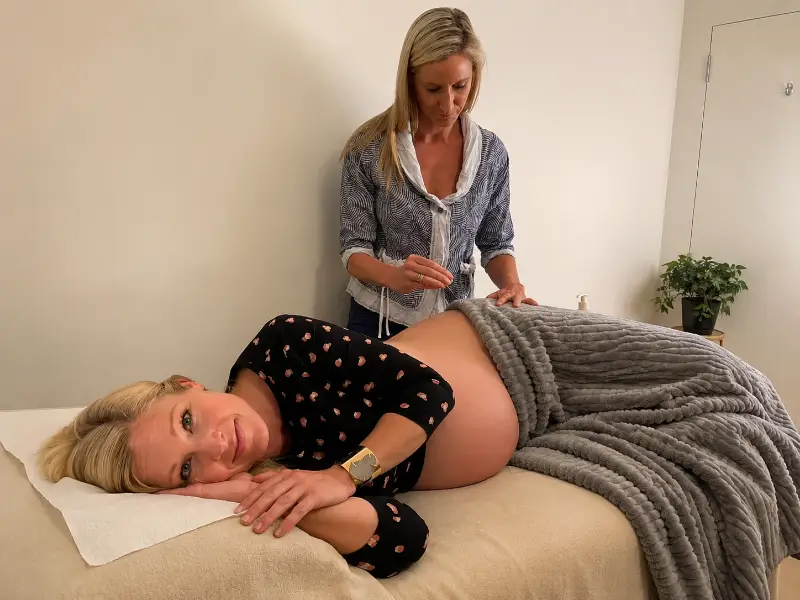
Acupuncture & Chinese Medicine
To book: 02 9365 4059 or Book Online
Acupuncture is a traditional Chinese Medicine treatment that uses very fine, sterile needles to gently stimulate specific points on the body. It is used to support the body’s natural processes and may help improve physical and emotional wellbeing.
At Sevenways Health Centre, we combine Classical Chinese Medicine principles with current medical research to provide personalised, evidence-informed care. Your treatment is tailored to your individual health concerns, symptoms and goals.
Acupuncture may support:
- Stress, anxiety & relaxation – supporting a calmer nervous system and overall sense of wellbeing
- Muscle & joint pain – including neck, back, hip and other musculoskeletal concerns
- Sports & Gym injury & recovery – supporting recovery, mobility and rehabilitation
- Sleep & energy – helping support healthy sleep patterns and energy levels
- Headaches & migraines – including tension-related headaches
- Digestive health – supporting common digestive concerns and overall gut function
Immune support – supporting the body during periods of illness and recovery - Women’s health – including hormonal changes, menstrual health and menopause
- Fertility & IVF support – supporting both women and men throughout their fertility journey
- Pregnancy & postnatal care – providing appropriate support throughout pregnancy and after birth
- General wellbeing & vitality – supporting overall health, relaxation and quality of life
Additional Chinese Medicine Treatments
Depending on your individual presentation, treatment may also incorporate Chinese herbal medicine, nutritional advice, lifestyle recommendations, cupping, moxibustion, exercise or rehabilitation guidance.
Your practitioner will discuss the most appropriate treatment approach with you following your initial consultation.
What is acupuncture and how does it work?
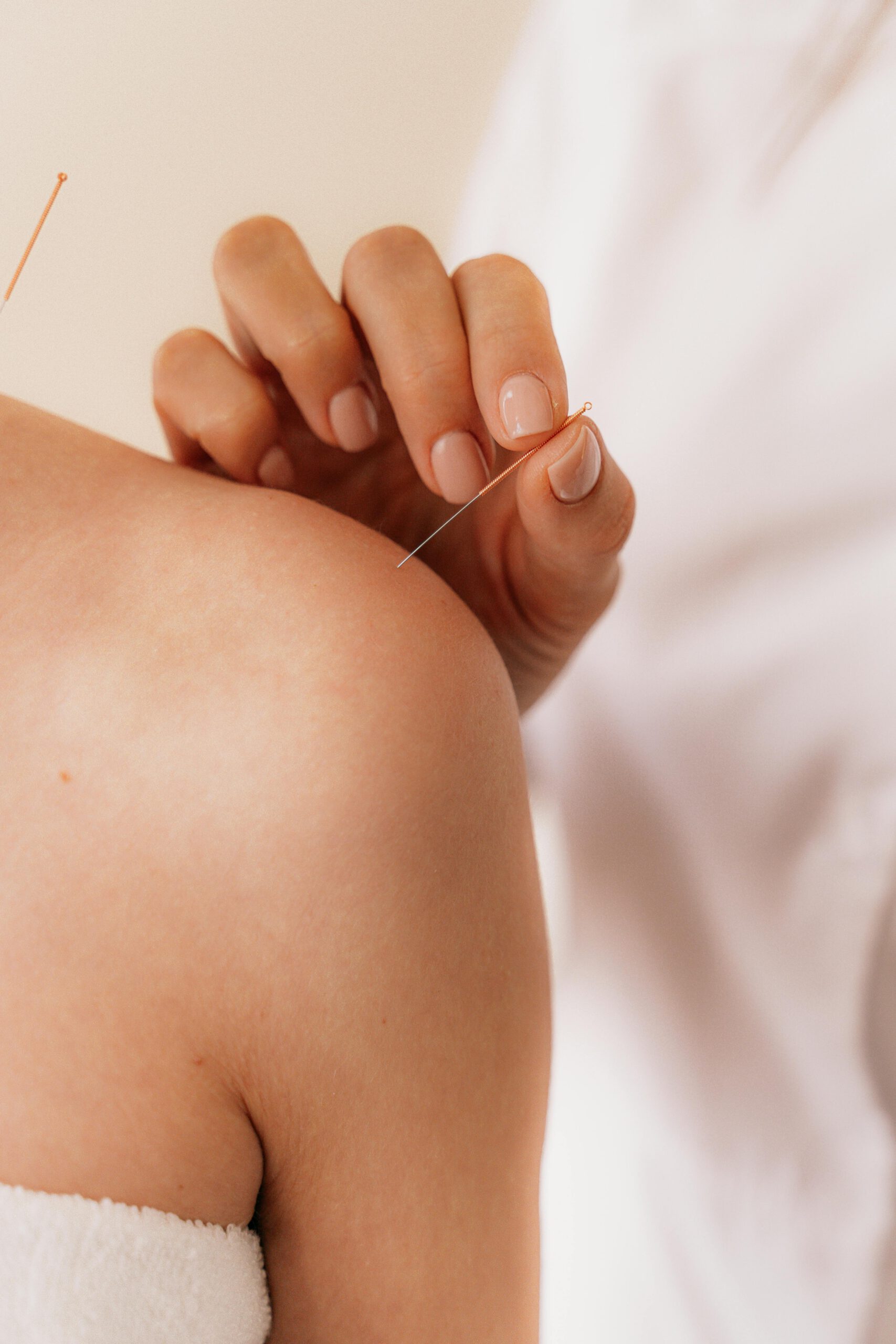
Acupuncture is a traditional Chinese Medicine treatment that uses very fine, sterile, single-use needles inserted at specific points on the body. It is used to support the body’s natural processes and may help with pain, stress, sleep, digestion and overall wellbeing.
What does acupuncture feel like?
Acupuncture needles are extremely fine, so insertion usually causes little to no discomfort. You may feel a gentle sensation such as warmth, tingling, heaviness or a mild ache. Many people find acupuncture deeply relaxing.
Is acupuncture safe?
Acupuncture is generally considered very safe when performed by a qualified and registered practitioner. At Sevenways, we use sterile, single-use, disposable needles .
What does an acupuncture treatment involve?
Your first appointment includes a health history and discussion of your current concerns, symptoms and goals. Your practitioner will also assess your pulse and tongue before developing an individualised treatment approach. Treatment includes acupuncture, cupping and, where appropriate, Chinese herbal medicine, nutrition or lifestyle recommendations. Often once pain is relieved through acupuncture, clients find they are sleeping better and stress is handled with more resilience. All positive side effects of treatment.
How should I prepare for my appointment?
Have a light meal before your appointment and arrive well hydrated. Avoid alcohol and recreational drugs before treatment, and avoid caffeine till after treatment where possible. Wear comfortable clothing that allows easy access to the areas being treated.
How many treatments will I need?
This depends on your individual ailments, how long you have experienced them and how you respond to treatment. Some people notice changes very quickly so within a few sessions, while longer-term concerns may require 4 to 6 treatments. Your practitioner will discuss a recommended treatment plan with you after your initial assessment. Acupuncture cannot always change the cause of the discomfort but it will help the body adapt so you will experience far less pain and discomfort.
Nutrition & Dietetics
To book: 02 9365 4059 or Book Online
Treatment Strategies
What is Nutrition and Dietetics?
Nutrition and dietetics focuses on the relationship between food, health, development and wellbeing. Dietitians are university-qualified health professionals who use evidence-based nutrition therapy to assess and support a wide range of medical, developmental, psychological and feeding-related concerns.
At Sevenways Health Centre, Talia Novos provides personalised nutrition care for children, adolescents and adults. Her approach considers more than what a person eats—it also considers medical needs, sensory preferences, neurodivergence, family circumstances, lifestyle and the person’s relationship with food.
When might you see a Dietitian?
You may benefit from seeing Talia for:
- Eating disorders and disordered eating – including anorexia nervosa, bulimia nervosa, binge eating disorder, ARFID, restrictive eating, body-image concerns and recovery from chronic dieting
- Paediatric feeding difficulties – including fussy eating, sensory food aversions, limited food variety, food refusal, feeding anxiety, delayed feeding skills and concerns about growth or nutritional adequacy
- NDIS and disability nutrition – including nutrition assessment and therapy for autism, ADHD, intellectual disability, developmental delay and other disabilities
- Women’s health – including fertility, preconception nutrition, PCOS, endometriosis, menstrual health and nutrition during periods of hormonal change
- Weight management and metabolic health – including sustainable, individualised support for weight concerns, insulin resistance, diabetes and cardiovascular risk
- Digestive health – including IBS, food intolerances, constipation, bloating and low-FODMAP nutrition
- Complex nutrition needs – including restricted diets, nutrient deficiencies, enteral feeding and texture-modified diets
Evidence-Based Treatment Strategies
Talia’s treatment approach is individualised and may include:
- Eating-disorder nutrition therapy – supporting regular and adequate eating, challenging food rules and helping clients rebuild trust in food and their bodies using evidence-based approaches such as RAVES
- Paediatric feeding therapy – assessing sensory preferences, feeding skills, mealtime environments and nutritional adequacy using responsive feeding, food chaining and SOS-informed strategies
- Parent and caregiver coaching – helping families reduce mealtime pressure, respond to food refusal and build positive, sustainable feeding routines
- NDIS dietetic support – completing functional nutrition assessments, developing practical strategies, preparing reports and working with families, support workers and multidisciplinary teams
- Women’s health nutrition – developing realistic strategies to support fertility, hormonal health, PCOS, endometriosis symptoms and metabolic wellbeing
- Weight-management support – addressing eating patterns, appetite, metabolic health and lifestyle factors without restrictive or unsustainable dieting
- Digestive-health management – identifying potential triggers and providing structured dietary strategies while protecting nutritional adequacy and food variety
For children, appointments often involve parent or caregiver coaching. Depending on the child’s age and needs, appointments may be completed with the child present, without the child present, or using a combination of both.
Talia also works collaboratively with GPs, psychologists, occupational therapists, speech pathologists, behaviour support practitioners, schools and other members of a client’s healthcare or disability-support team.
What does a Dietitian do?
A Dietitian assesses how food, nutrition, health conditions, medications, development, sensory preferences and eating behaviours may be affecting a person’s wellbeing. Talia provides practical, personalised strategies for eating disorders, feeding difficulties, disability nutrition, women’s health, digestive concerns and weight or metabolic health.
What can I expect during my appointment?
Your first appointment will involve a detailed discussion about your health, current concerns, eating patterns, symptoms, lifestyle and goals. For children and NDIS participants, Talia may also explore sensory needs, feeding skills, communication, daily routines, family circumstances and the level of support required at mealtimes.
You will then work together to develop realistic strategies suited to your individual needs.
Do I need a referral?
No. You can book directly without a referral.
You may need a referral if you wish to claim a Medicare rebate through an eligible care plan or Eating Disorder Treatment and Management Plan. NDIS participants may be able to access services through self-managed or plan-managed funding, depending on their plan.
Does Talia work with NDIS participants?
Yes. Talia works extensively with children and adults with disability, including people with autism, ADHD, intellectual disability, developmental delay, sensory processing differences and complex feeding or nutrition needs.
NDIS services may include assessment, individual therapy, parent or caregiver coaching, collaboration with support teams and preparation of dietetic reports.
Can a Dietitian help with fussy eating?
Yes. Talia supports children with sensory-based food avoidance, restricted food variety, feeding anxiety, food refusal and delayed feeding skills.
The focus is not simply on making a child eat. Therapy aims to understand why eating is difficult and gradually build safety, confidence, skills and food variety without shame or unnecessary pressure.
Can Talia help with eating disorders?
Yes. Talia supports adolescents and adults with anorexia nervosa, bulimia nervosa, binge eating disorder, ARFID, OSFED and disordered eating.
Nutrition therapy may include restoring regular and adequate eating, reducing food rules, addressing nutritional deficiencies and supporting a safer relationship with food. Eating-disorder treatment is often provided as part of a multidisciplinary team.
Can nutrition support fertility, PCOS or endometriosis?
Nutrition can help support overall health, nutritional adequacy, metabolic health and symptom management. Talia provides personalised support for fertility and preconception nutrition, PCOS, insulin resistance, endometriosis and menstrual health.
Recommendations are tailored to the individual and do not rely on restrictive “hormone-balancing” diets or unsupported supplement protocols.
What should I bring to my appointment?
If available, please bring relevant medical information, recent blood-test results, growth or weight records, a medication and supplement list, and any reports from other health professionals.
For feeding concerns, it may also be helpful to bring a list of accepted foods and information about typical meals, mealtime behaviours and foods that have recently been refused or removed.
How many appointments will I need?
This depends on your goals and the complexity of your needs. Some people may benefit from one or two consultations, while eating-disorder treatment, feeding therapy and complex NDIS work generally require ongoing support.
Talia will discuss the recommended frequency and purpose of follow-up appointments with you.

Osteopathy
To book: 02 9365 4059 or Book Online
Osteopathy at Sevenways
Osteopathy is a hands-on approach that focuses on improving movement, mobility and physical function. Treatment is tailored to your individual symptoms, health history and goals.
At Sevenways Health Centre, Dr Tim Hulbert takes a thorough approach to assessment and treatment, considering the whole body and identifying areas of restriction or imbalance that may be contributing to pain or reduced movement.
Your treatment may include a combination of hands-on techniques, depending on
Osteopathy may support:
- Neck & back pain – helping reduce pain, stiffness and restriction
- Muscle & joint pain – supporting mobility and physical function
- Sports & gym injuries – assisting recovery and return to movement
- Postural concerns – addressing restrictions associated with prolonged or poor posture
- Headaches & migraines – particularly those associated with muscular tension
- Sciatica & nerve-related pain – supporting movement and reducing associated tension
- Joint stiffness – helping improve mobility and function
- Jaw & TMJ concerns – addressing muscular and joint restrictions
- Repetitive strain injuries – supporting recovery and improved movement
- General mobility & wellbeing – helping the body move more comfortably
Additional Osteopathic Treatments
Depending on your individual needs, treatment may incorporate:
- Osteopathic spinal manipulation and joint mobilisation
- Deep tissue and soft tissue massage
- Dry needling
- Stretching and mobility techniques
- Postural and movement advice
- Exercise and rehabilitation guidance
Dr Tim will discuss the most appropriate treatment approach with you following your assessment.
What is Osteopathy and how does it work?
Osteopathy is a hands-on approach that focuses on the body's structure, movement and function. Treatment aims to identify areas of restriction and support improved mobility and comfort.
What does an Osteopathic treatment feel like?
Treatment can involve a range of gentle hands-on techniques, massage, stretching or joint mobilisation. Some techniques may create a clicking or “cracking” sound. Your treatment will always be tailored to your comfort and individual needs.
Is Osteopathy safe?
Osteopathy is generally considered safe when provided by a qualified and registered practitioner. Your practitioner will assess your health and symptoms before recommending an appropriate treatment approach.
What does an Osteopathic treatment involve?
Your first appointment includes a discussion of your medical and physical history, followed by a thorough assessment. This may include checking your posture, movement, joints and areas of restriction before developing a personalised treatment plan.
How should I prepare for my appointment?
There is no special preparation required. Wear comfortable clothing that allows you to move easily and bring any relevant medical information, scans or reports if applicable.
How many treatments will I need?
This depends on your individual concerns, how long you have experienced them and how you respond to treatment. Dr Tim will discuss his recommendations with you following your initial assessment.
Remedial Massage
To book: 02 9365 4059 or Book Online
Remedial Massage at Sevenways
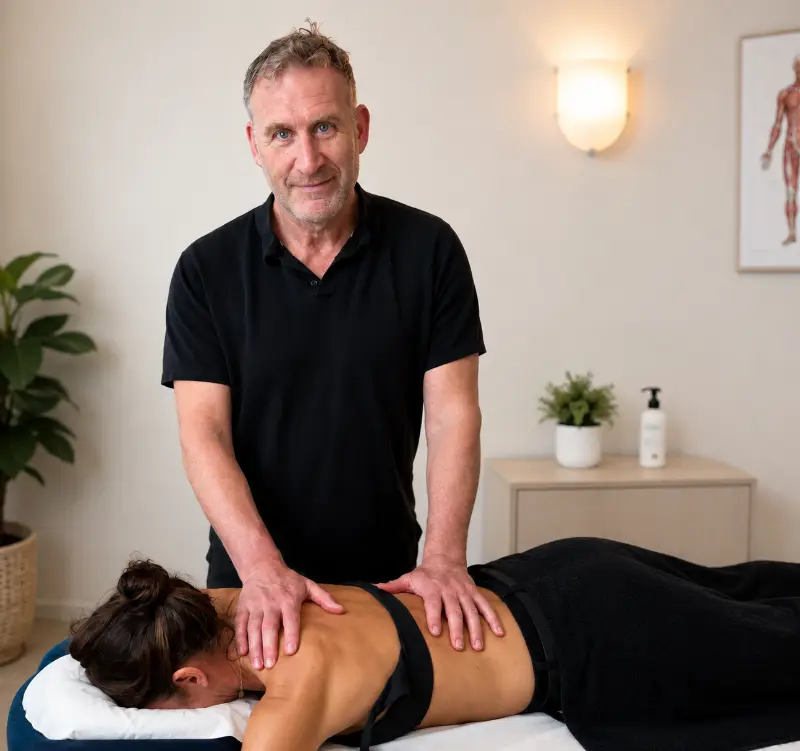
Remedial Massage is a hands-on treatment designed to reduce muscle tension, relieve pain and improve movement.
At Sevenways Health Centre, treatments are tailored to your individual needs and may incorporate a range of soft tissue techniques, including trigger point therapy, Shiatsu, acupressure and stretching.
Whether you’re experiencing muscle tension from exercise, work or everyday life, recovering from an injury or simply feeling stiff and tired, your treatment can be adapted to support your individual goals.
Remedial Massage may support:
- Muscle tension & stiffness – helping relax tight and overworked muscles
- Neck & shoulder tension – relieving muscular discomfort and restriction
- Back pain – supporting mobility and reducing muscular tension
- Sports injuries & recovery – assisting recovery and maintaining movement
- Flexibility & mobility – supporting a greater range of movement
- Exercise-related soreness – helping ease muscular tension following physical activity
- Postural tension – addressing muscular tension associated with prolonged positions
- Stress & physical tension – promoting relaxation and reducing muscular tightness
- Pregnancy-related discomfort – providing tailored support for common muscular aches and pains during pregnancy
- General wellbeing – supporting relaxation, movement and physical comfort
Additional Massage Treatments
Depending on your individual needs, treatment may include:
- Remedial Massage
- Sports Massage
- Pregnancy Massage
- Trigger point therapy
- Soft tissue techniques
- Shiatsu and acupressure
- Stretching and mobility techniques
Your practitioner will discuss the most appropriate treatment approach with you before your session.
What is Remedial Massage and how does it work?
Remedial Massage uses targeted hands-on techniques to work with muscles and soft tissues. It aims to reduce tension, relieve discomfort and support movement and recovery.
What does a Remedial Massage feel like?
Treatment can range from gentle and relaxing to more targeted and firm, depending on your needs. Your practitioner will adjust the pressure and techniques throughout your appointment.
Is Remedial Massage safe?
Remedial Massage is generally safe for most people. Your practitioner will discuss any relevant health concerns, injuries or conditions with you and adapt the treatment where necessary.
What does a Remedial Massage treatment involve?
Your practitioner will first discuss your concerns, health history and treatment goals. They will then assess the relevant areas and use appropriate hands-on techniques to address areas of tension or restriction.
How should I prepare for my appointment?
There is no special preparation required. It can be helpful to stay hydrated and avoid having a large meal immediately before your appointment. Wear comfortable clothing.
How many treatments will I need?
This depends on your individual needs and goals. Some people may benefit from a single treatment, while others may choose regular appointments to support ongoing recovery, mobility or wellbeing.
Women's Health & Pelvic Floor Physiotherapy
To book: 02 9365 4059 or Book Online
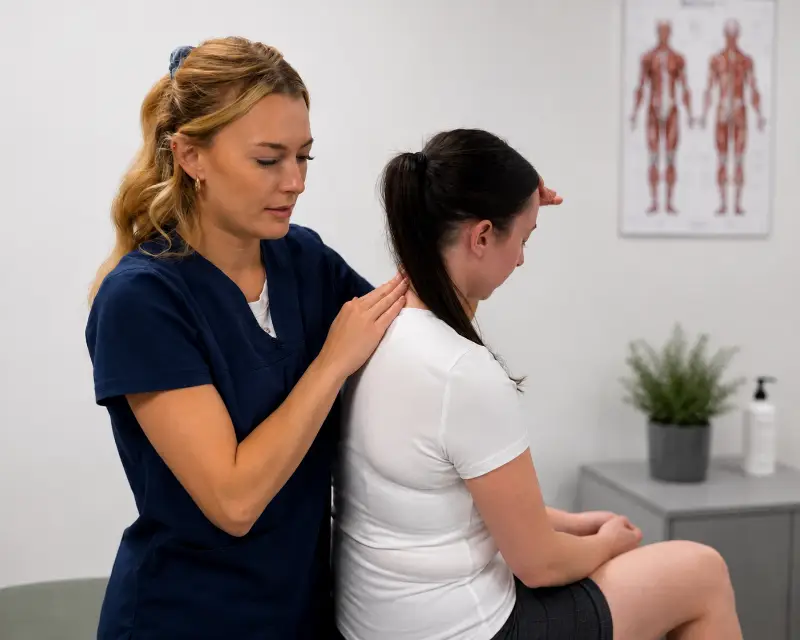
Women’s Health Physiotherapy is a specialist area of Physiotherapy that focuses on the prevention and treatment of concerns affecting women throughout pregnancy, postpartum, menopause and different stages of life.
At Sevenways Health Centre, Anna Scammell provides personalised care to help women feel stronger, more comfortable and confident in their bodies.
Whether you’re pregnant, preparing for birth, recovering after having a baby or experiencing pelvic floor or core concerns at any stage of life, treatment is tailored to your individual symptoms, lifestyle and goals.
Women’s Health Physiotherapy may support:
- Pregnancy – helping prepare your body and pelvic floor for pregnancy, birth and recovery
- Lower back, pelvic girdle, hip or rib pain
- Birth preparation at 35 weeks – including perineal massage, pushing techniques, birth positions, hip/pelvic mobility, musculoskeletal release and other strategies
- Postnatal recovery – supporting recovery following pregnancy and vaginal birth or c-section
- Pelvic floor concerns – including weakness, difficulty relaxing, pelvic floor tightness/tension or painful sex
Pelvic pain – supporting women experiencing pelvic or lower abdominal pain - Diastasis recti – assessing and exercise therapy for abdominal separation following pregnancy
- Bladder concerns – including bladder leakage, urgency, frequency, incomplete emptying, reduced sensation and recurrent UTIs
- Bowel concerns – including constipation and reduced control of wind or bowel motion
- Prolapse – providing assessment, education and management strategies
- Core strength & recovery – rebuilding strength following pregnancy or at any stage of life
- Safe return to exercise – helping you return to exercise with confidence after birth or any stage of life
- Mastitis – therapeutic ultrasound, massage and advice (*please include “mastitis” in booking notes)
- Endometriosis – supporting movement, pain management and physical function
- Menopause – supporting pelvic floor and physical changes
Women’s Health Physiotherapy Treatments
Depending on your individual needs, treatment may incorporate:
- Pelvic floor assessment and individualised exercises
- Pelvic floor relaxation or “down-training”
Internal pelvic floor manual therapy - Birth preparation
- C-section or perineal scar tissue massage
- Core and abdominal exercises
- Strengthening and stretching exercises
- Postural retraining
- Manual therapy – joint mobilisation, dry needling and deep tissue release
- Education and lifestyle advice
- Fluid and dietary advice
- Bladder strategies and retraining
- Individualised home exercise program
Support with pregnancy and recovery garments - Labour TENS machine hire
- Pelvic floor electrotherapy
Your treatment plan will be individualised to your symptoms, stage of life and goals.
When is the best time to first see a Women’s Health Physiotherapist in pregnancy?
Ideally early in the second trimester so Anna can assess your pelvic floor and give you individualised exercises and strategies to optimise both strength and relaxation in the lead up to birth. In saying that, it’s never too late to book in!
When is the best time to see a Women’s Health Physiotherapist after birth?
Ideally 6 weeks post-birth. However, if you have any concerns earlier than this, such as back pain or vaginal heaviness, don’t hesitate to book in sooner. If you’re past 6 weeks, it’s still recommended to have an assessment to help prevent pelvic floor issues as you return to exercise.
Do I need to be pregnant to see a Women’s Health Physiotherapist?
No. Women’s Health Physiotherapy can support women at all stages of life, whether you are pregnant, postpartum or not. Anna can assist with concerns such as pelvic floor dysfunction, pelvic pain, bladder or bowel issues, core weakness, prolapse, endometriosis and painful sex.
What can I expect during my appointment and what treatment does it involve?
Appointments are tailored to your individual needs and may involve movement assessments, hands-on treatment, exercises and education. An internal pelvic floor assessment may be recommended and will always be discussed with you beforehand.
Your appointment begins with a detailed discussion about your symptoms, health, lifestyle and goals. Depending on your needs, this may be followed by movement assessment, diastasis assessment, pelvic floor assessment and an individualised management plan.
How should I prepare for my appointment?
There is no special preparation required. Wear comfortable clothing or activewear that allows you to move easily. If an internal pelvic floor assessment is recommended, Anna will explain what is involved beforehand.
How many treatments will I need?
This depends on your individual concerns and goals. During pregnancy, a series of appointments may be recommended, including a birth preparation consult at 35 weeks and musculoskeletal release at 37 weeks, followed by a postnatal assessment around 6 and 12 weeks after birth. For women experiencing concerns at any stage of life, Anna will recommend a treatment plan based on your individual needs.